Fixing up a RadioMaster TX12 MKII

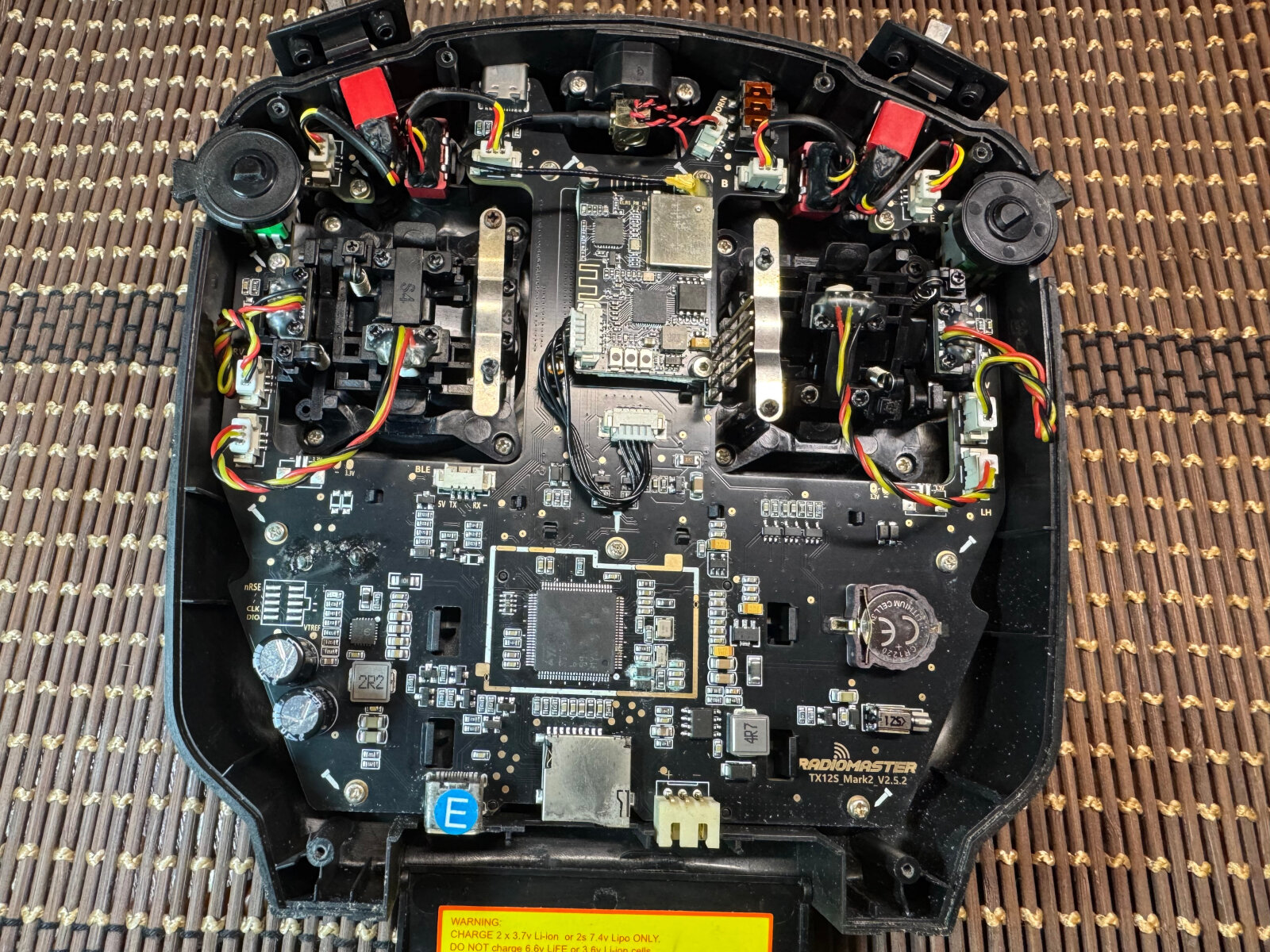
Got a drowned RadioMaster TX12 MKII on the bench today.
The board had some minor to moderate signs of corrosion.
Welcome!
Vintage Web 2.0 aesthetics,
snippets of code,
thoughts, photography,
and a bit of charm. History of the site
Linux
Everything that concerns. Go to category
Electronics
micro, radio,
and usual. Go to category
Photo
From different categories. View category
Got a drowned RadioMaster TX12 MKII on the bench today.
The board had some minor to moderate signs of corrosion.
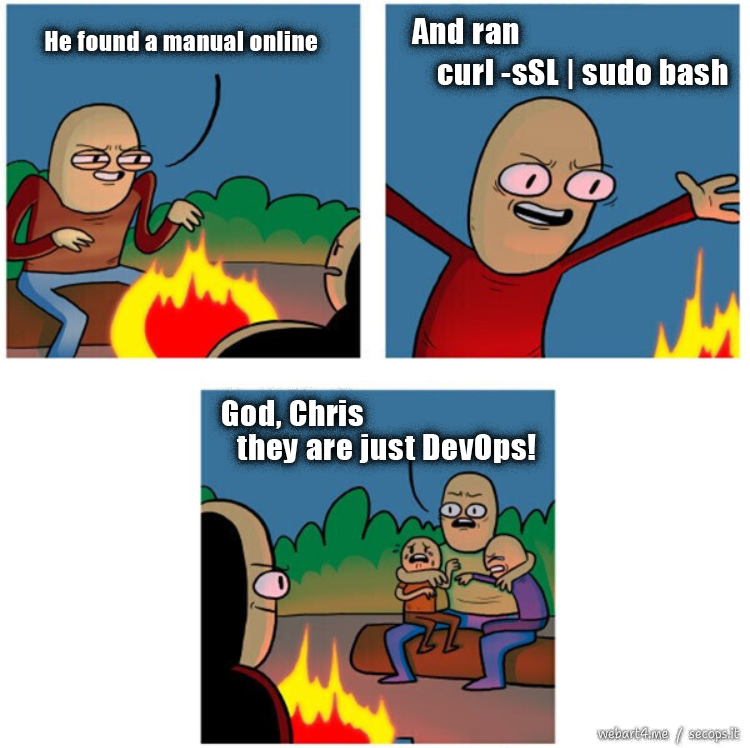
I just remembered a funny chain of events.
Some time ago, a colleague texted me asking why our secondary GitLab server was not only restricted to outsiders, but also (without getting into too many details) had its front-end locked down with an auth_basic directive in Nginx?
I jokingly replied that if it was really making his life miserable, we could disable it for his pool of IPs, both work and home. Or he could just open it himself, since he’s a sysadmin too.
And that was that.
Two broken cameras: one burnt chip, one liquid damaged.


A rare beast.
Couldn’t resist, so I grabbed it for the collection.