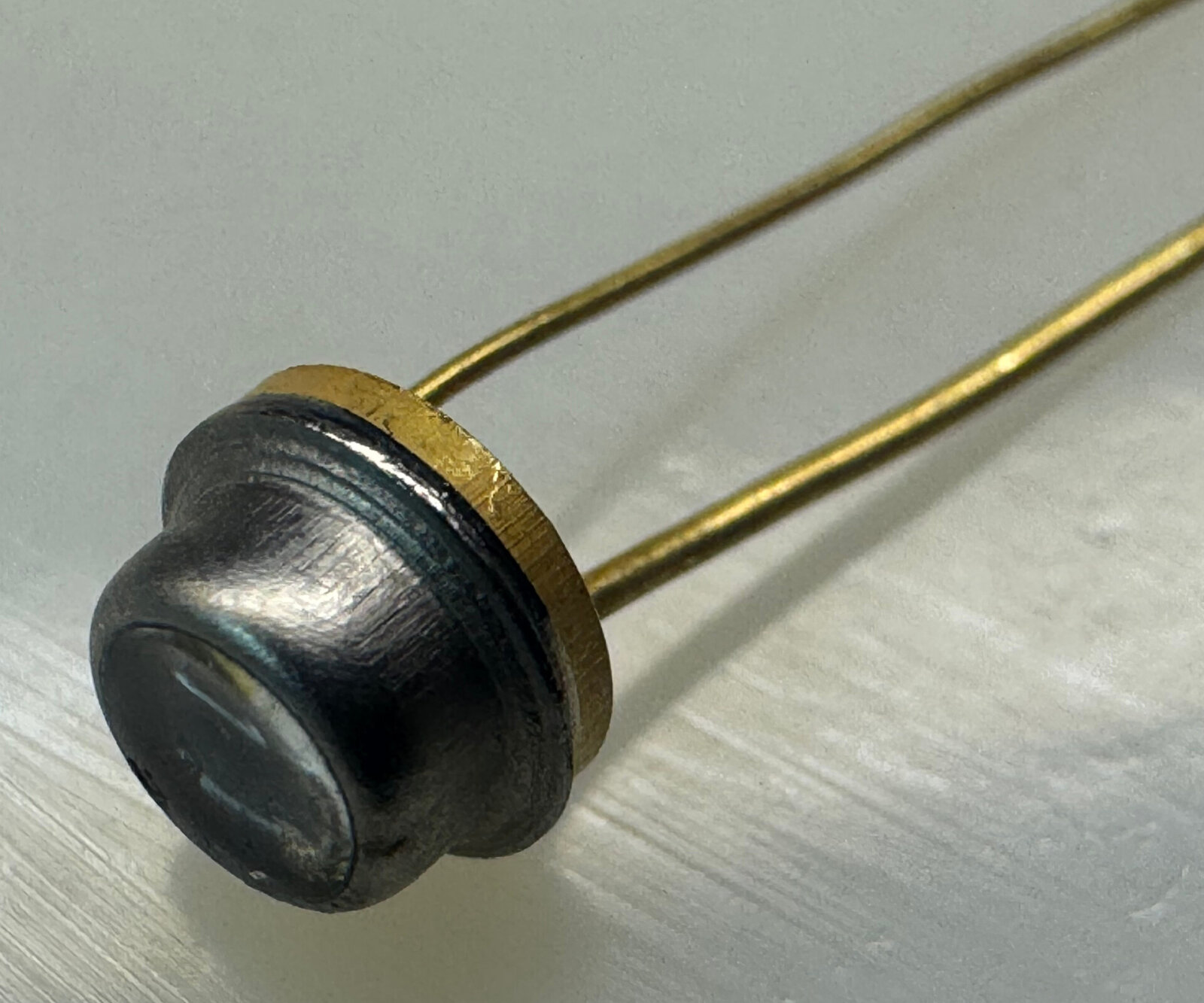
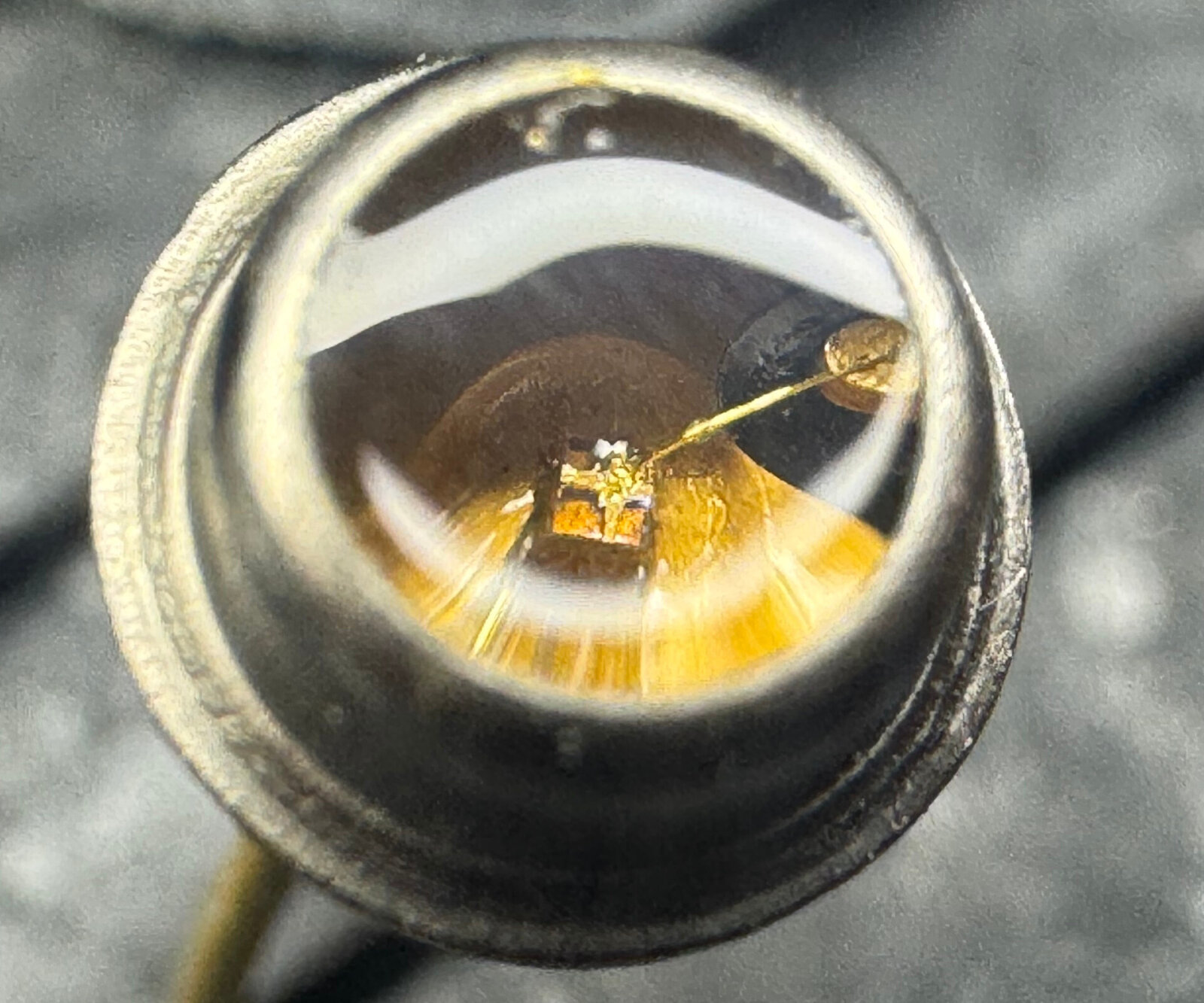
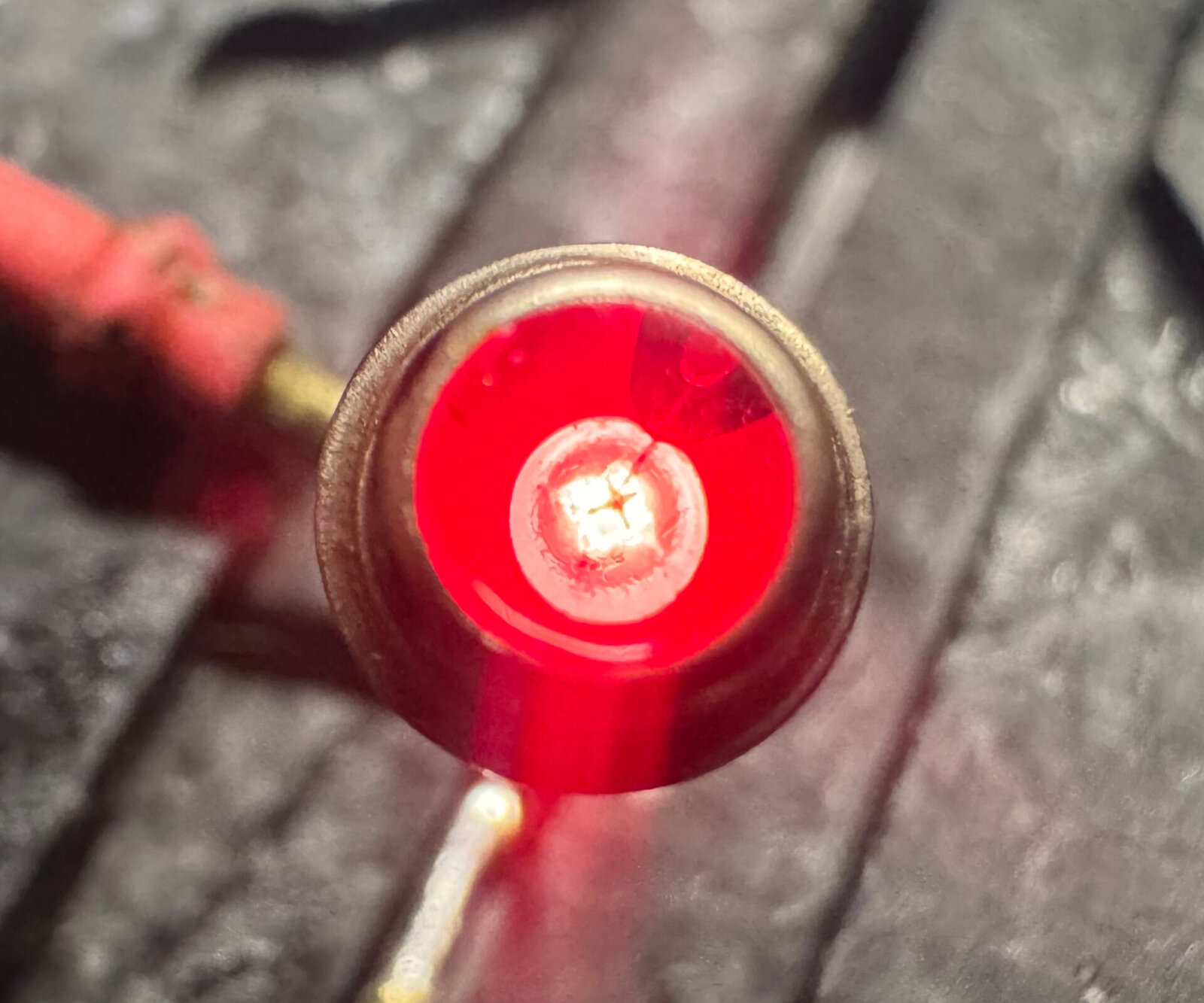
3L102V

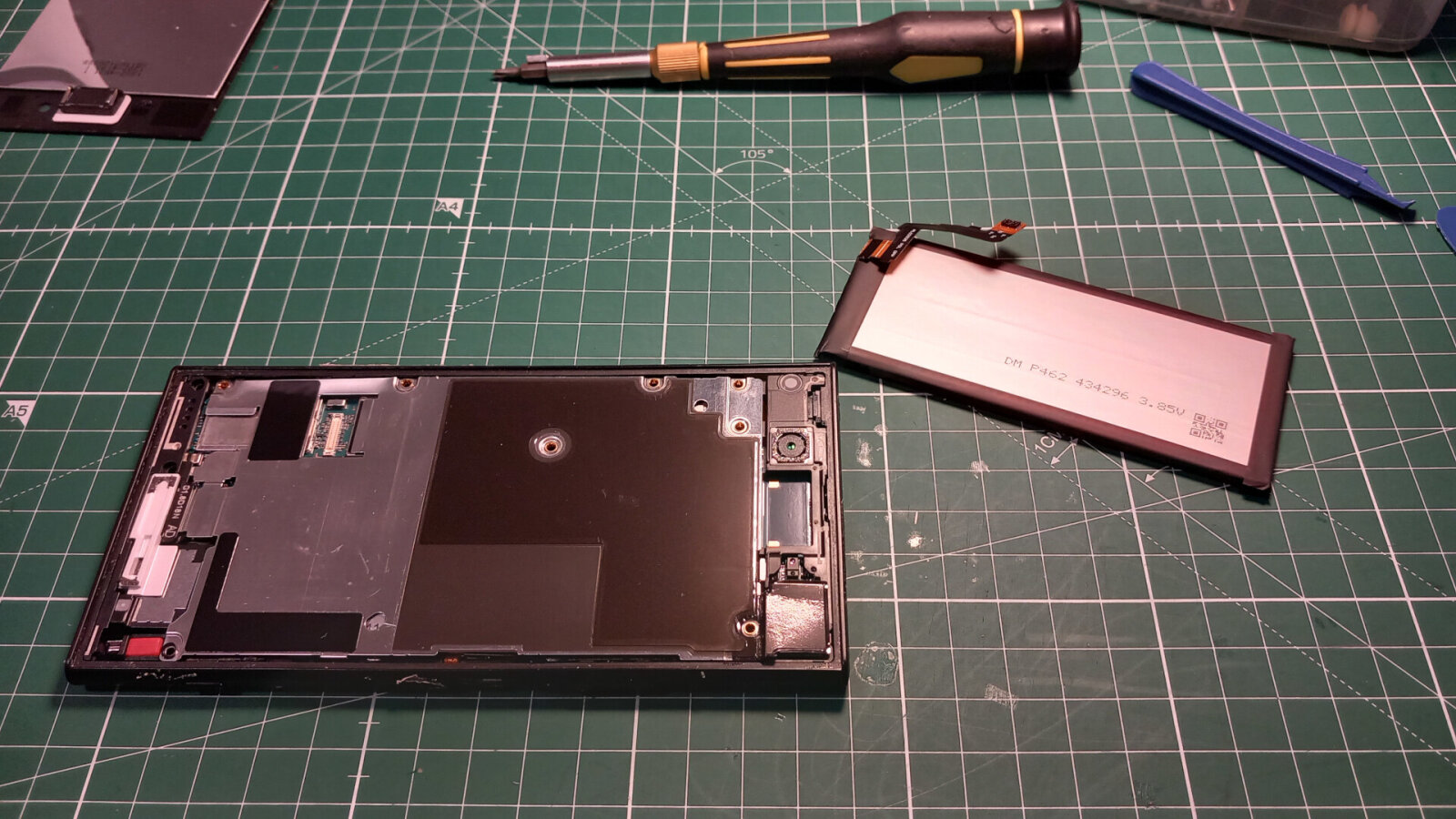
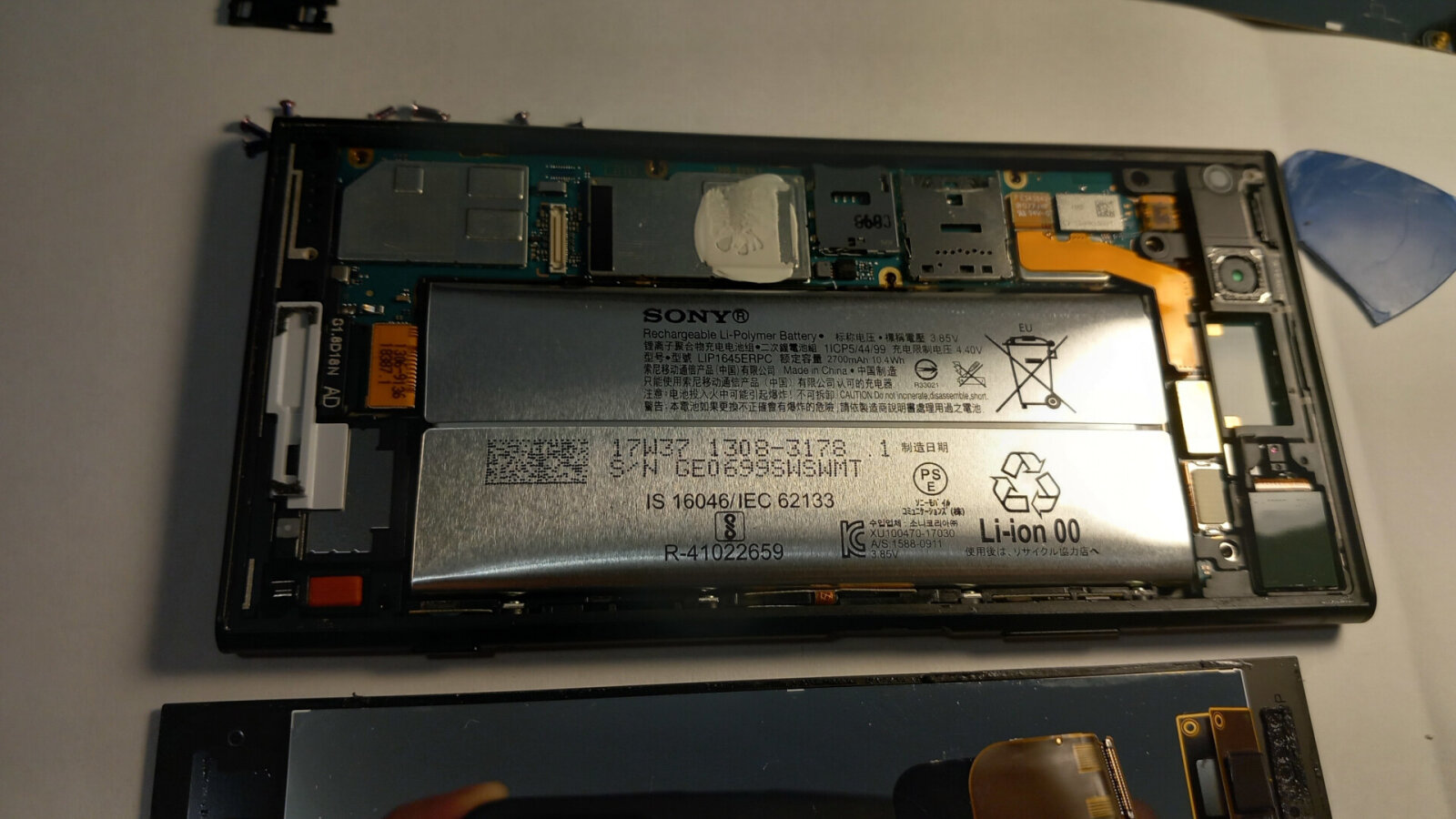
A rare beast.
Couldn’t resist, so I grabbed it for the collection.
IMG_4886B.jpg
IMG_4888B.jpg
IMG_4892B.jpg
Welcome!
Vintage Web 2.0 aesthetics,
snippets of code,
thoughts, photography,
and a bit of charm. History of the site
Linux
Everything that concerns. Go to category
Electronics
micro, radio,
and usual. Go to category
Photo
From different categories. View category
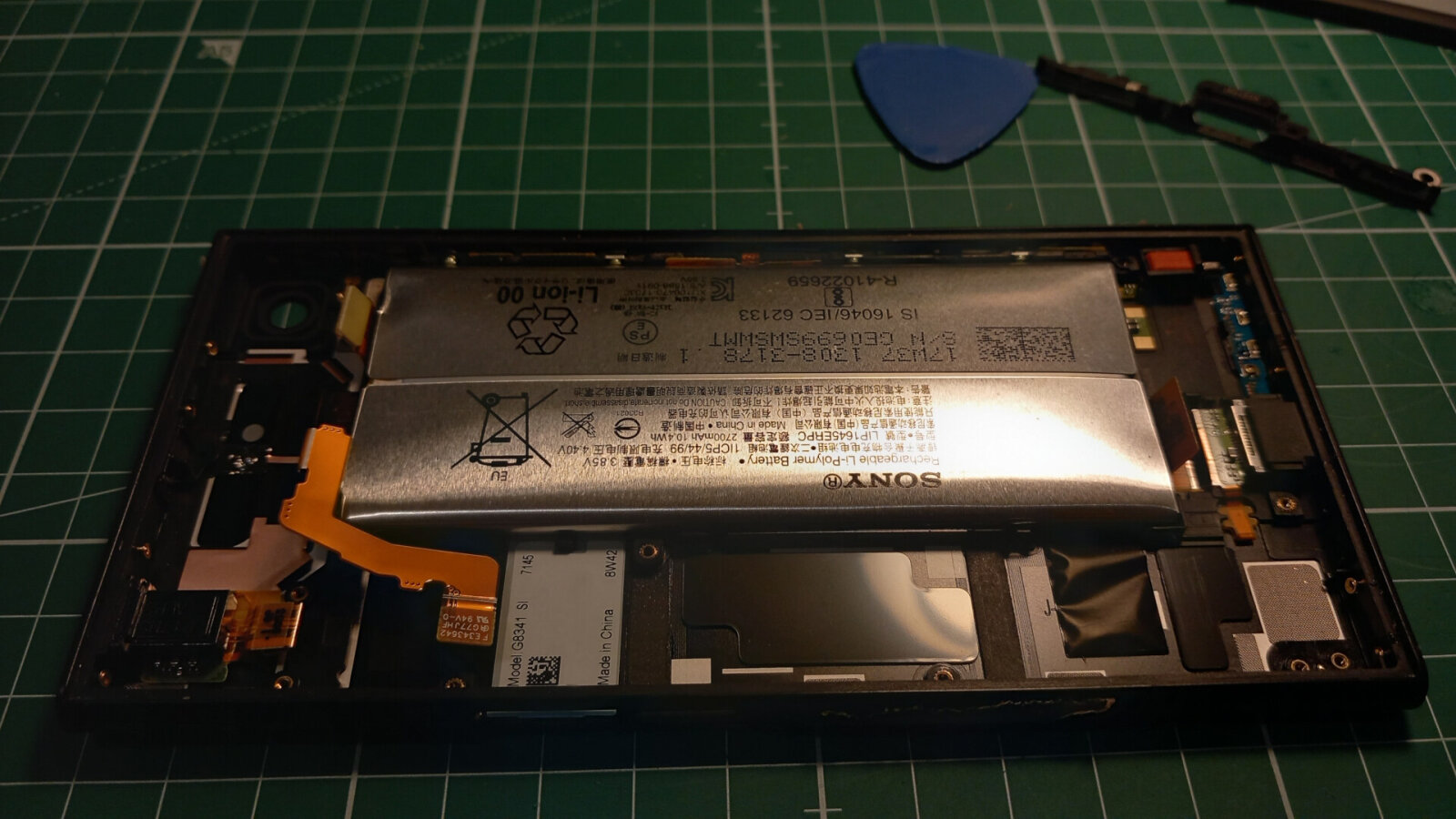
A rare beast.
Couldn’t resist, so I grabbed it for the collection.
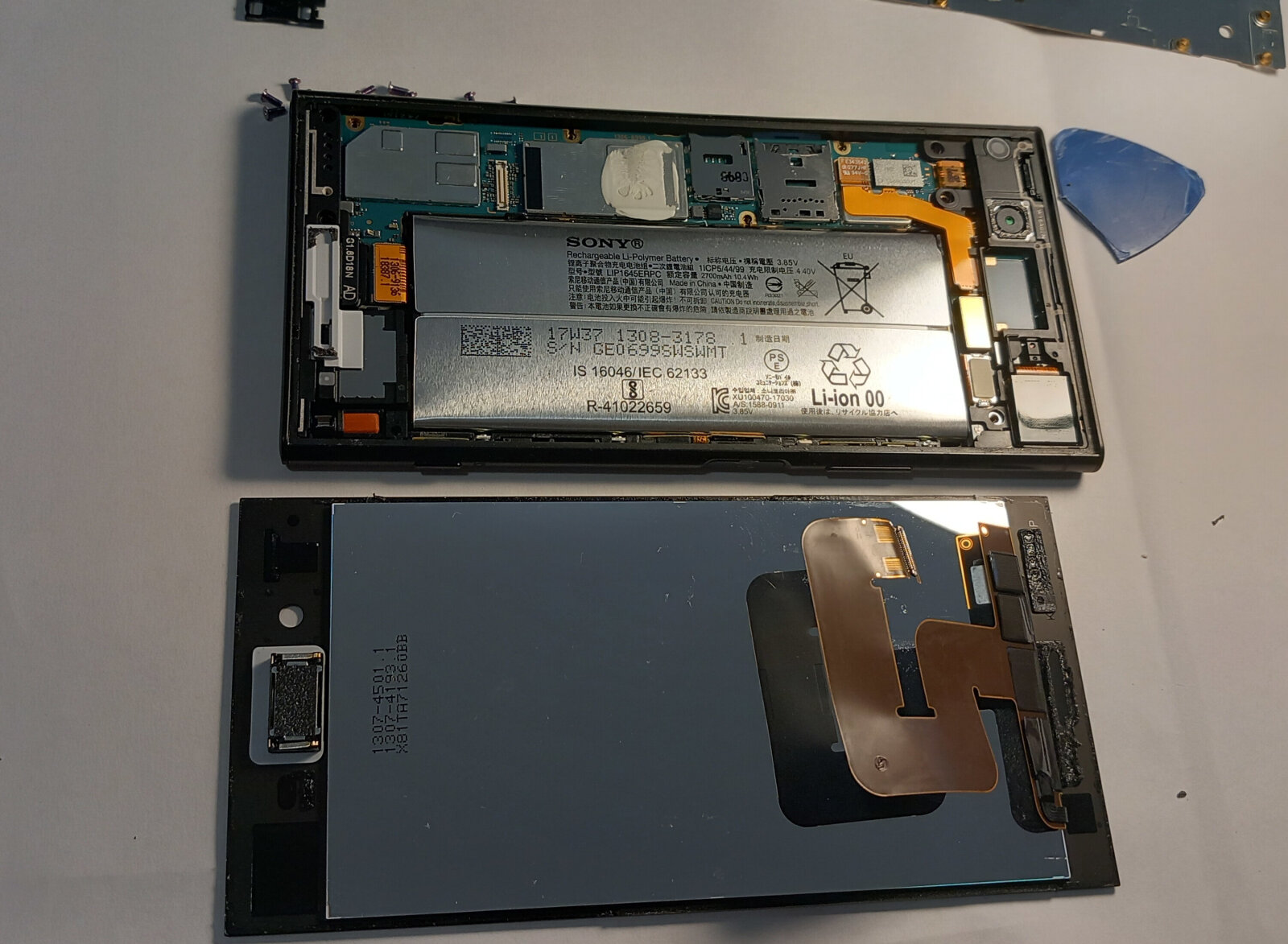
The battery is a bit worn out and has swollen.
I need to get it replaced ASAP.
7/August/2026 wireguardcentosdebianubuntufreebsd
Below is a set of snippets for configuring WireGuard for three different Linux distributions and FreeBSD.
The setup assumes a Debian server with a 10.9.21.0/24 network.
apt install wireguard-tools
nano /etc/network/interfaces.d/wg0
umask 077
cd /etc/wireguard/
wg genkey > server-private.key
wg pubkey < server-private.key > server-public.key
nano /etc/wireguard/wg0.conf
1 2 3 4 5 6 7 8 9 10 11 12 13 14 15 16 17 18 19 20 21 22 23 | |
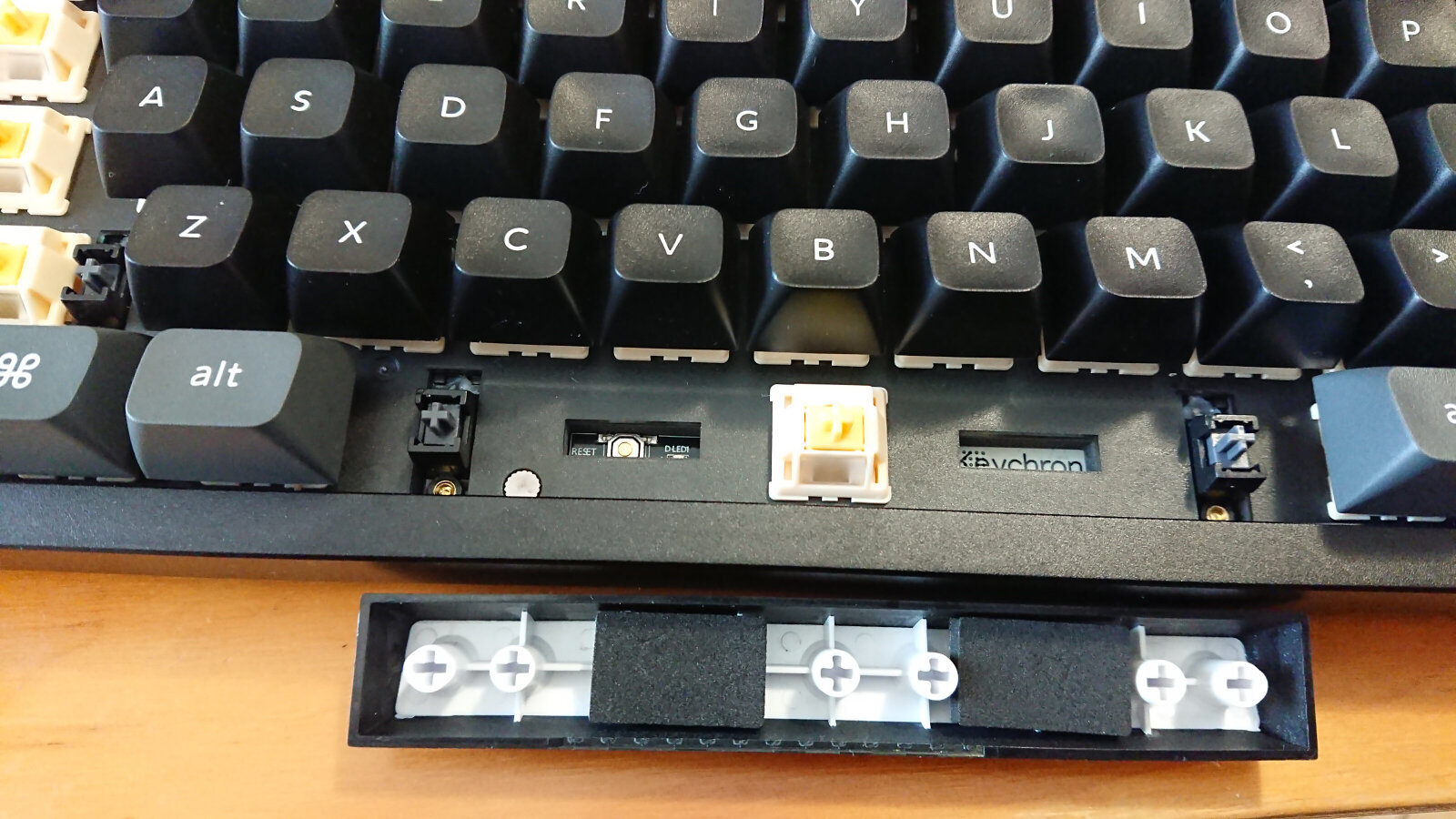
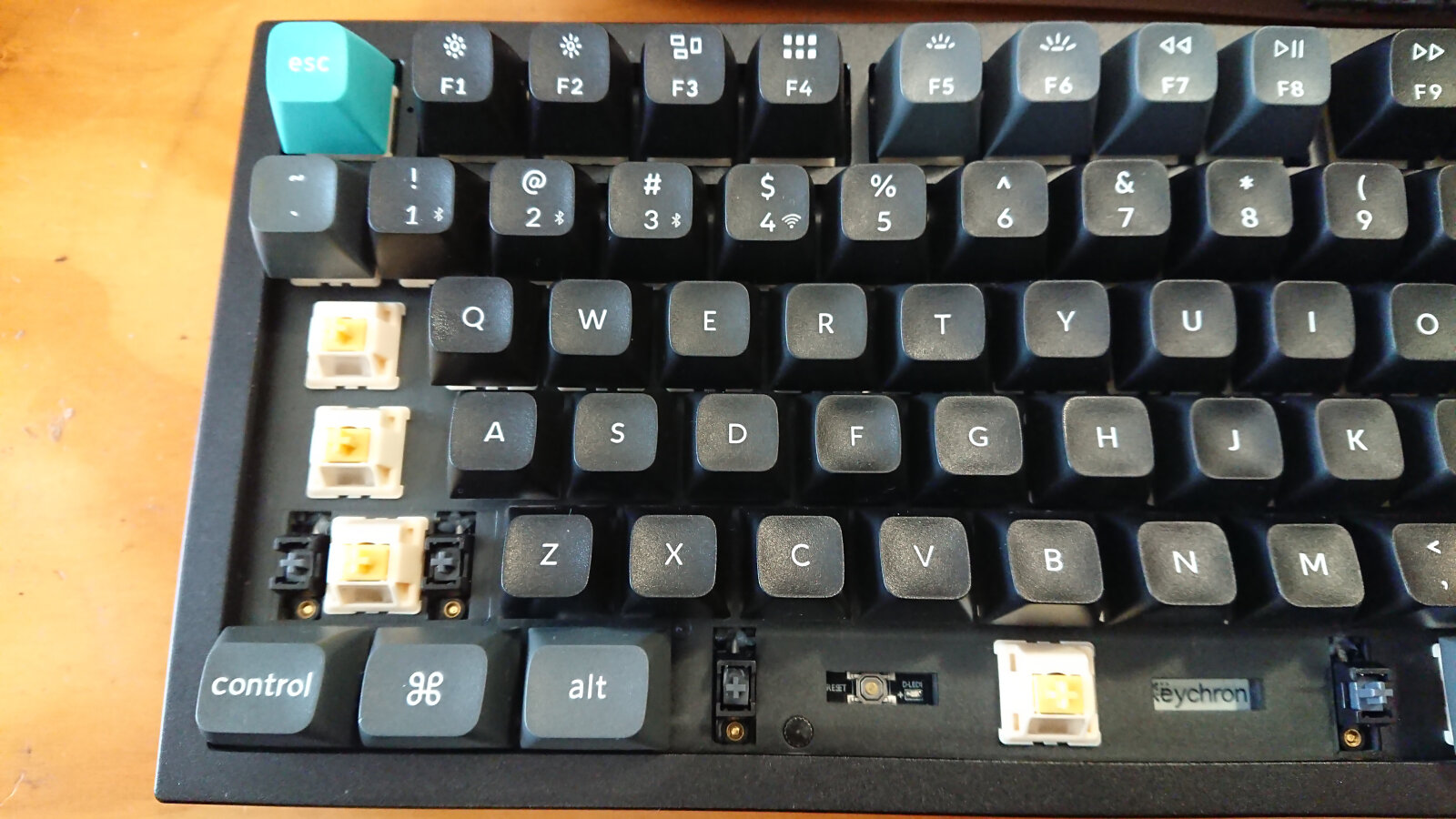
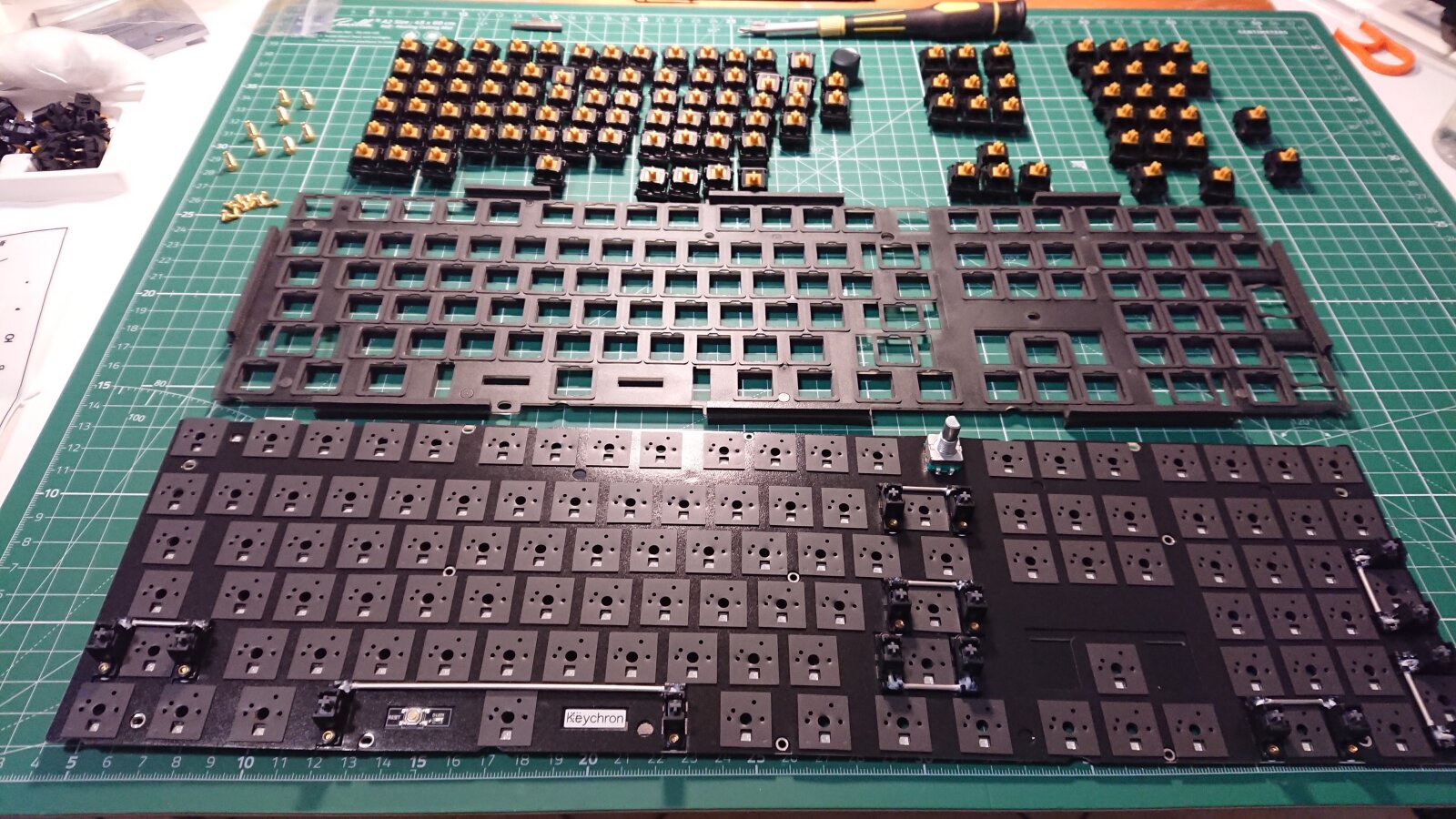
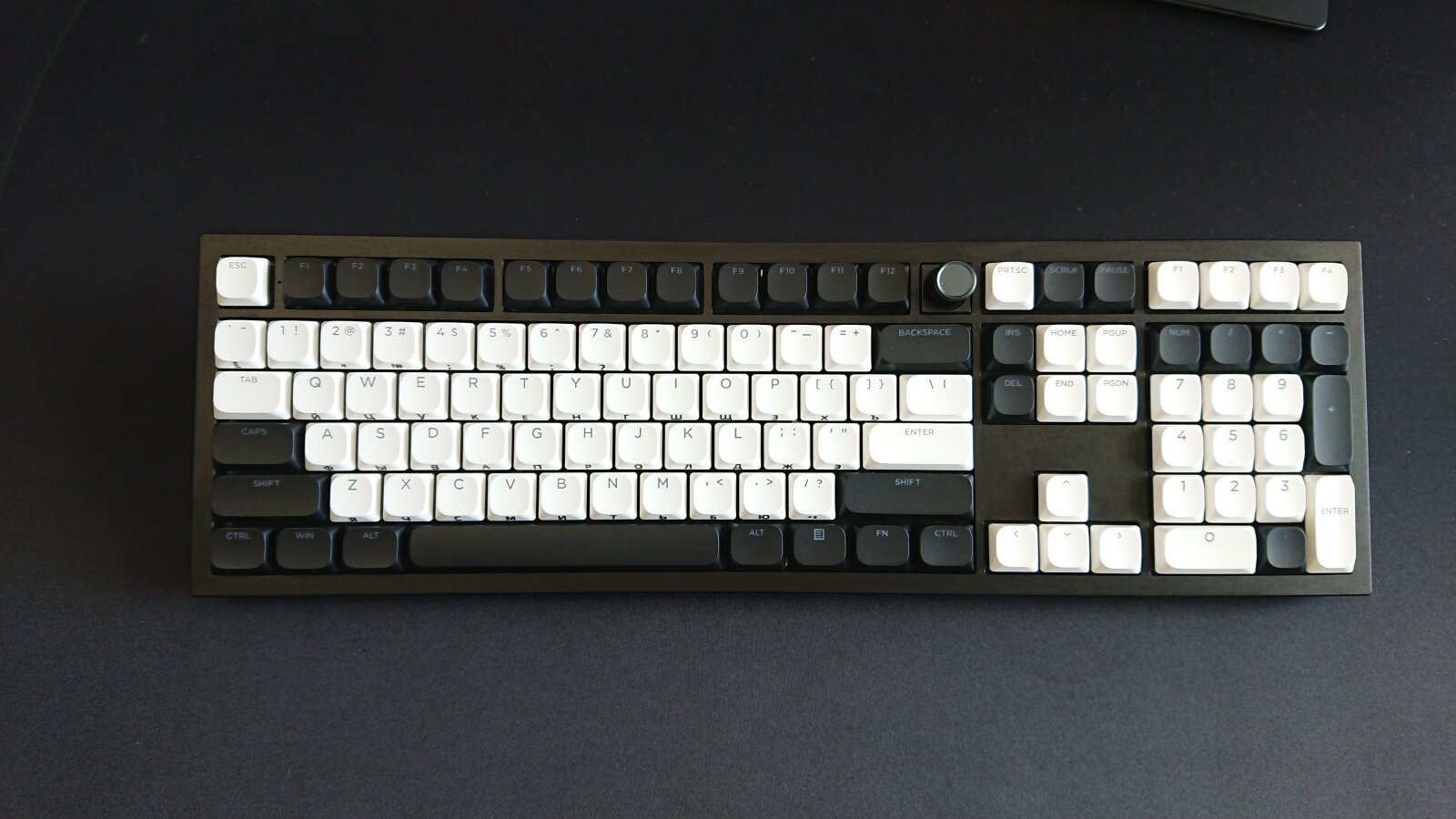
The stock Keychron keycaps with the OSA profile look not bad, but I’m not a lover of typewriters aesthetic.
Since I’m used to hitting combos like CTRL/SUPER/ALT/SHIFT with a single finger for certain shortcuts, I needed to find low-profile keycaps that are all the same height.
Pressing two keys simultaneously may be unfamiliar to casual typists, but if you use a tiling WM, where everything from launching apps to window management - is shortcut-based, it makes total sense.
I immediately picked up some pretty decent low-profile Womier keycaps.
The undersides might have some mold marks, but with a little modding, they are actually quite good.
I also picked up some OUTEMU Half-height switches for testing.
They are low-profile, but that’s all.
The tactile feel is non-existent.
Looking ahead: the stock Keychron Silk POM Tactile Bananas are very good, but they honestly can’t be compared to the Gazzew Boba Black U4T.
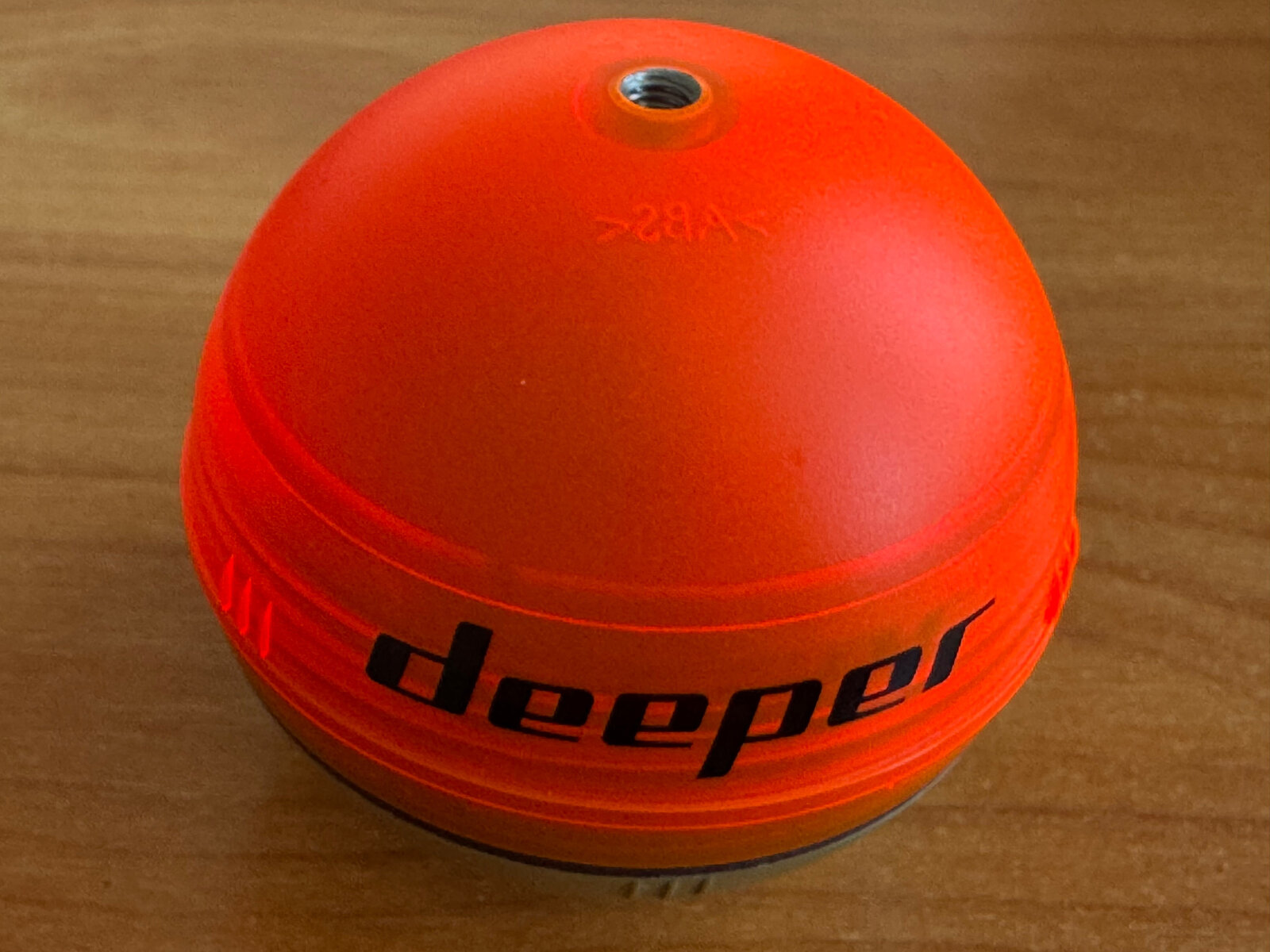
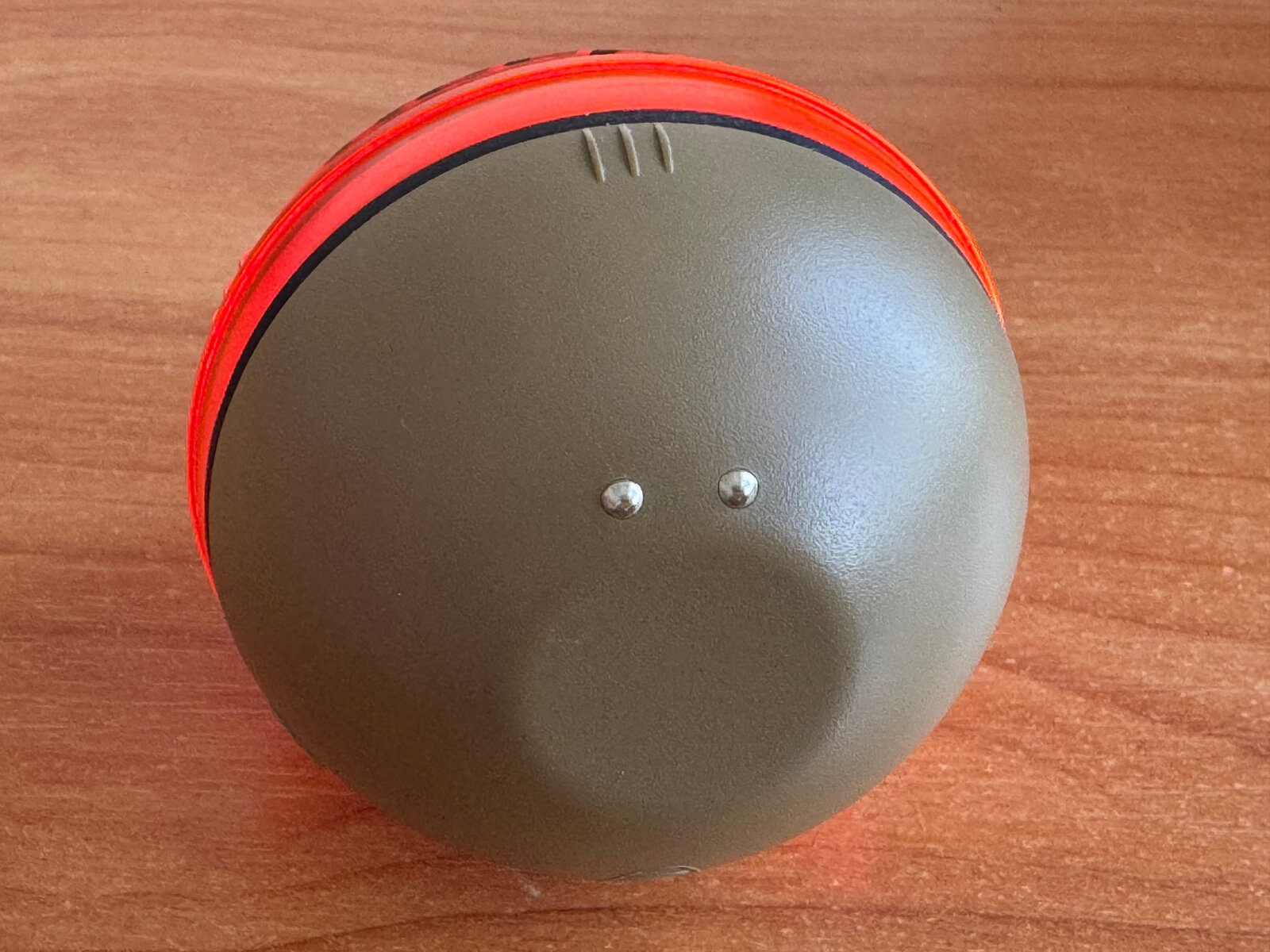
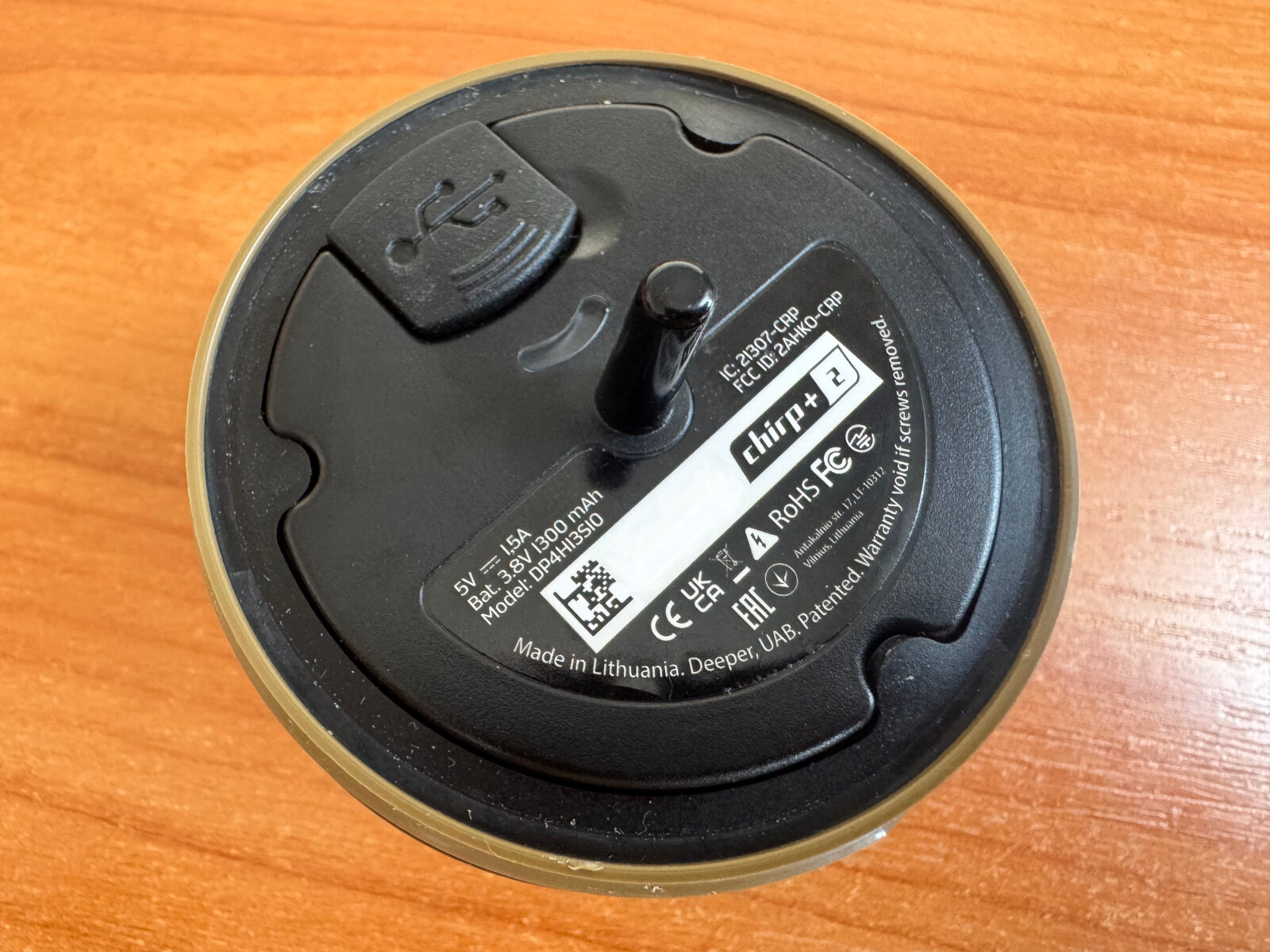
We have a Deeper DP4H13S10 sonar, and the goal is to increase its signal range.
The original Deeper Range Extender costs about €195.
How can we solve this using what we already have? And even make it better?
It’s very simple.