Welcome!
Vintage Web 2.0 aesthetics,
snippets of code,
thoughts, photography,
and a bit of charm. History of the siteBlog
Notes, examples and
surprises. Go to blogElectronics
micro, radio,
and usual. Go to categoryPhoto
From different categories. View category
- This is an original category in English «Blog»
- Читати цей розділ українською «Блог»
- Читать этот раздел на русском «Блог»
Now sharing data with more than just Anthropic's servers
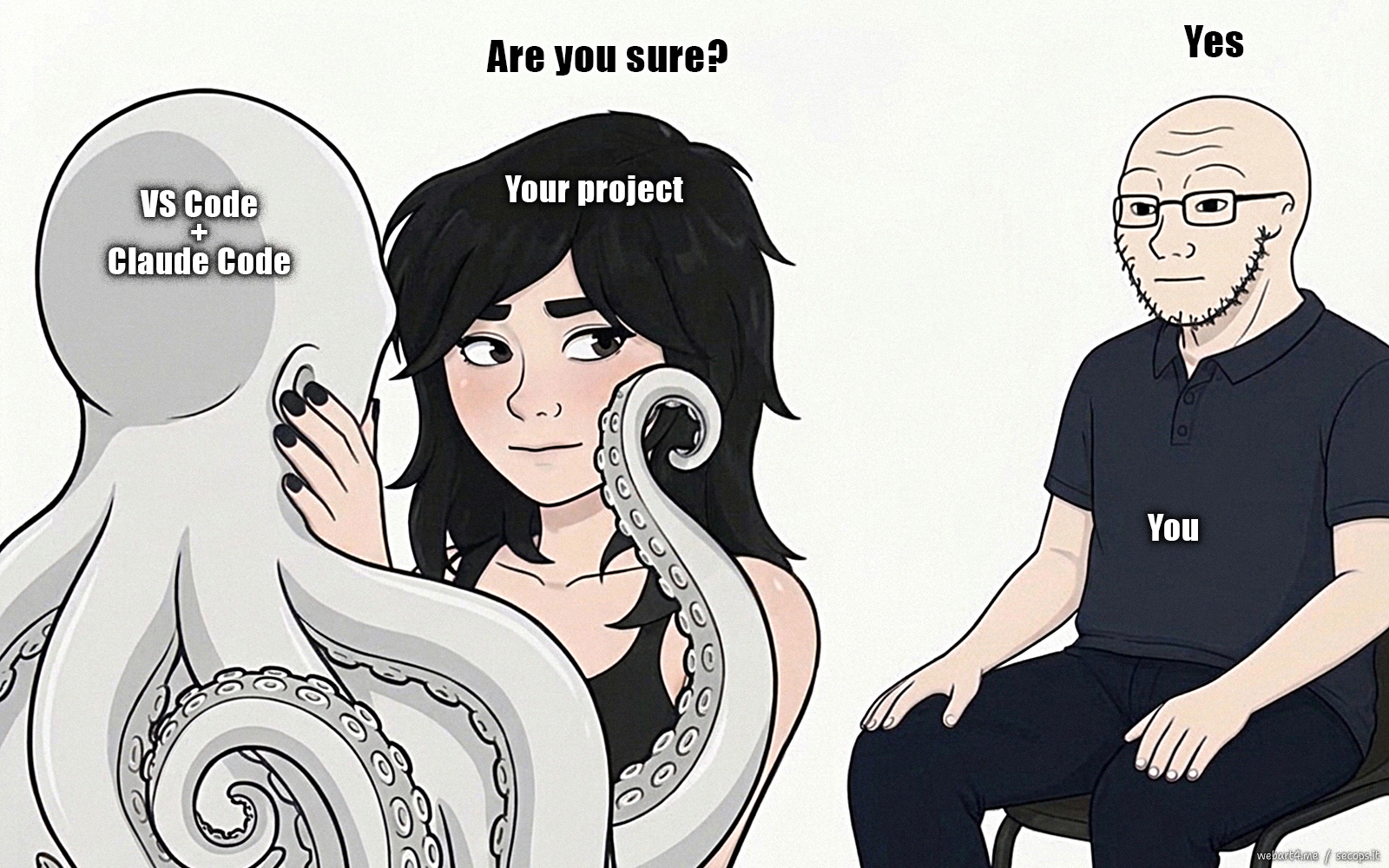
Everything about this story is beautiful.
A popular editor, Claude Code, and an SSH tunnel forwarded straight to your machine.
Why settle for just collecting data, right?
A compromise of the official Claude Code extension for VS Code, developed by Anthropic.
If you can lock something down - lock it down
8/October/2026 gitlabzero-trustztna
و ̑̑ GitLab Fall's CVE Hits /ᐠ。ꞈ。ᐟ\")
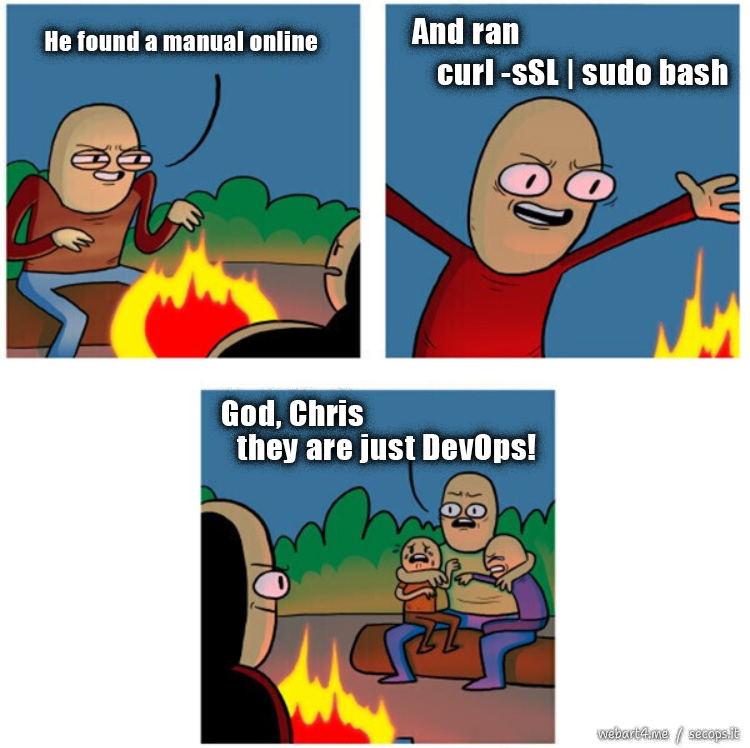
they_are_just_devops.png
I just remembered a funny chain of events.
Some time ago, a colleague texted me asking why our secondary GitLab server was not only restricted to outsiders, but also (without getting into too many details) had its front-end locked down with an auth_basic directive in Nginx?
I jokingly replied that if it was really making his life miserable, we could disable it for his pool of IPs, both work and home. Or he could just open it himself, since he’s a sysadmin too.
And that was that.
Literally a week later, a new Critical patch release drops.
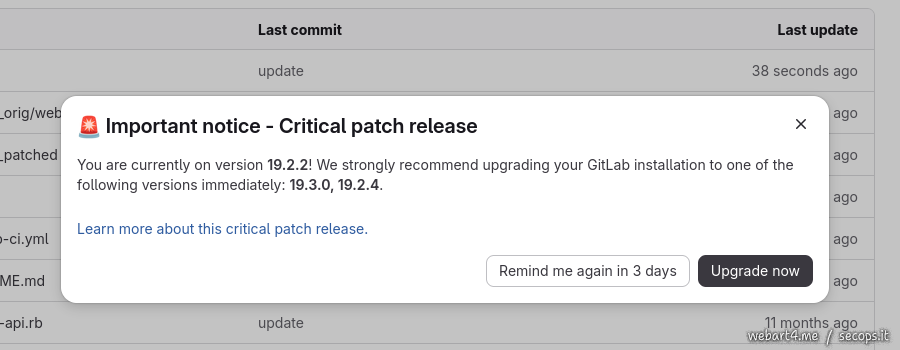
GitLab issues emergency patch: GitLab has issued an emergency patch for a critical vulnerability (CVE-2026-19478) with a severity score of 9.4 out of 10.
It put a smile on my face back then. A few days later, another alert arrives about a new critical update.
Compromise of 32 Red Hat packages in the NPM directory and 1,577 packages in the AUR repository
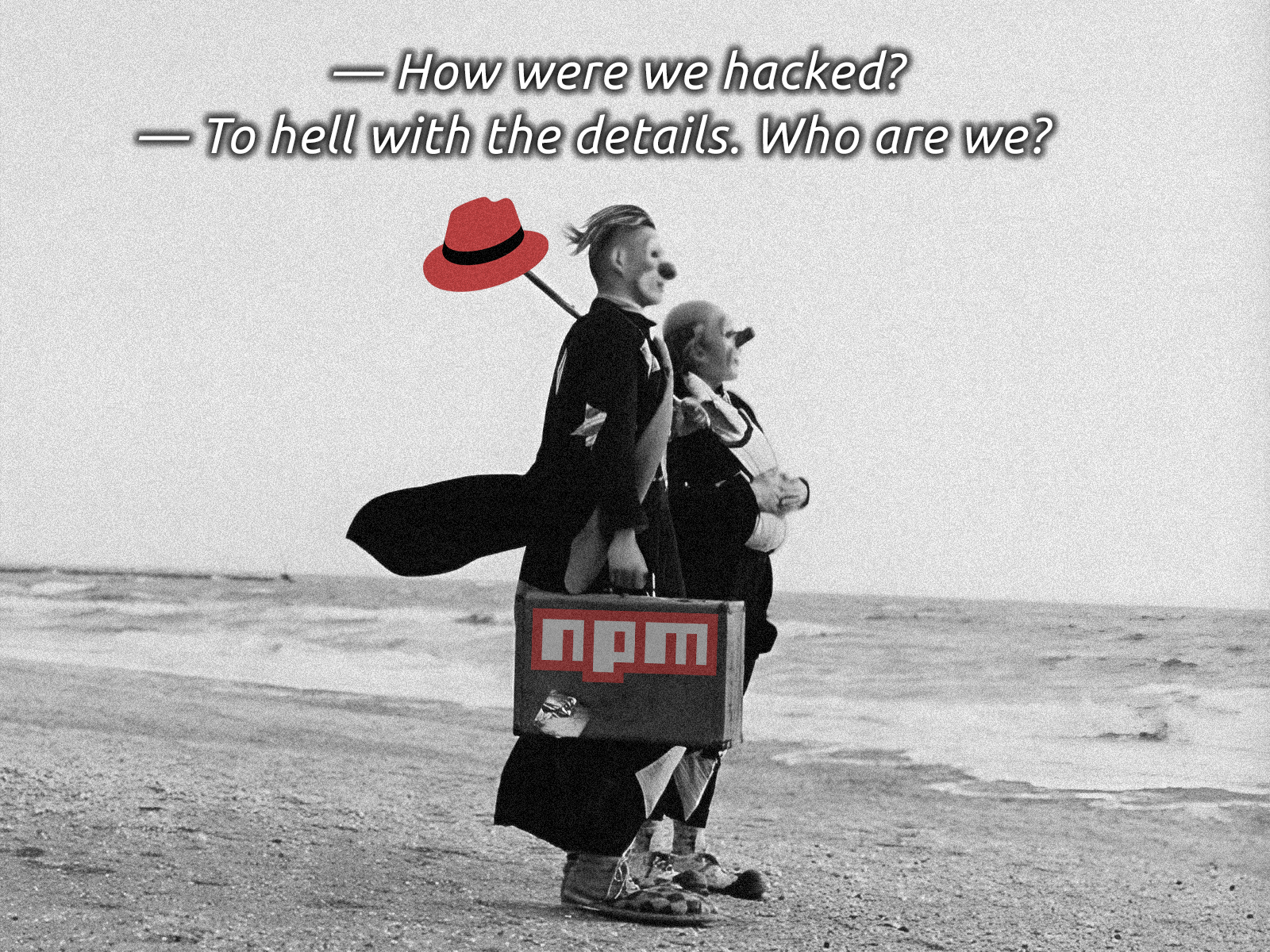
A good addition to the collection.
The news needs to be given time to settle, and then the details can be savored.
- Red Hat, RED HAT, CARL!
- GitHub Actions, as usual.
- NPM, we’re already used to it.
- Arch User Repository, it’s already more interesting.
You were given the choice between security and convenience. You chose convenience, and you will have neither convenience nor security
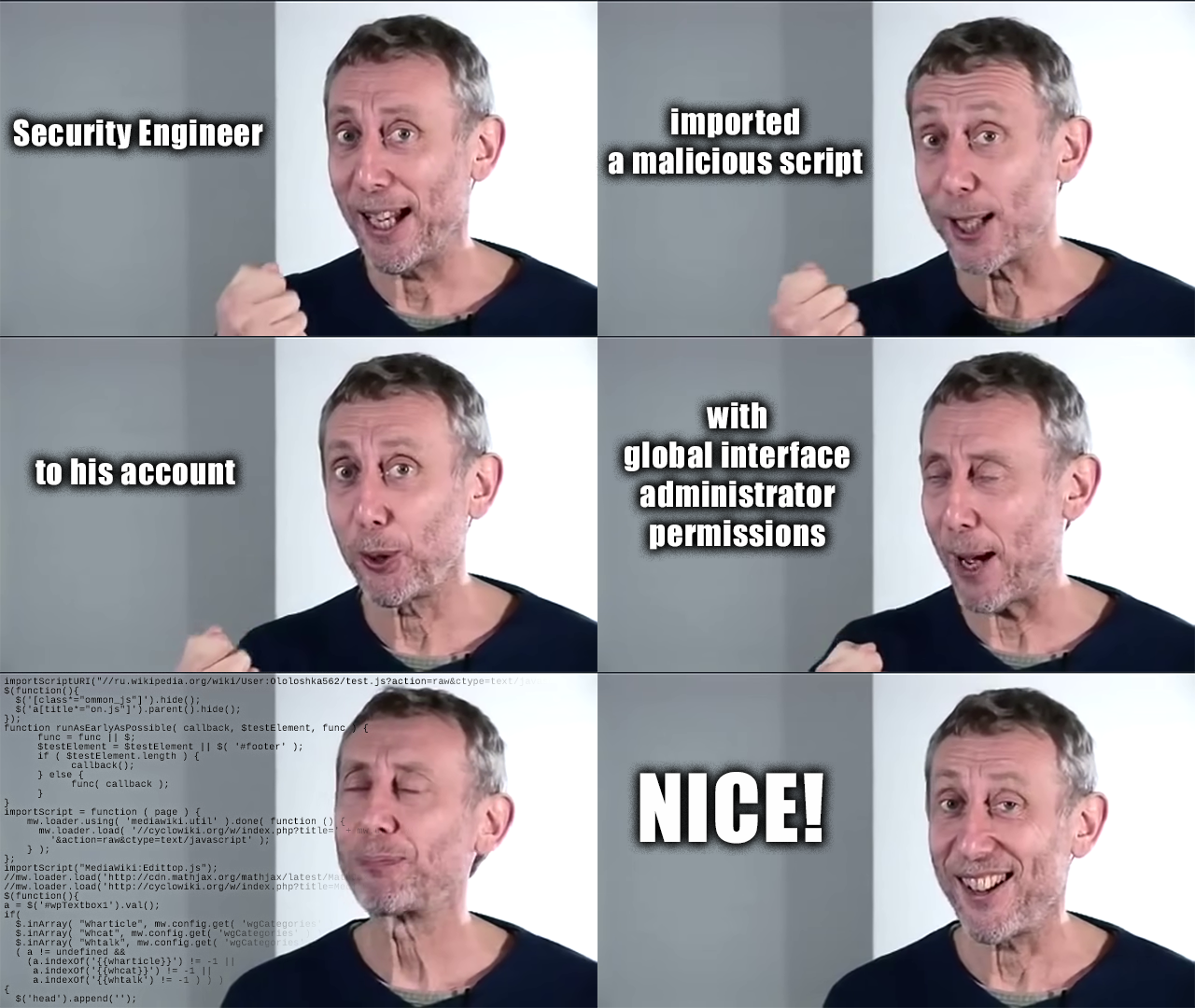
Only six months had passed, but the news feed continued to bring new funny vulnerabilities.
As usual, I don’t focus on system vulnerabilities in snapd / Rust Coreutils / Flatpak, or kernel (Copy Fail, Dirty Frag, Fragnesia, pidfd, PinTheft, GRO Frag) or AppArmor.
No matter how dangerous they may be, they are “conditionally” passive, meaning that if they are present, a number of factors and active actions from within or outside are required for successful exploitation.
I’m much more interested in tracking compromises of package distribution systems, libraries, and other package repositories.
Because these are “active” and direct attacks, they require almost no combination of factors; after downloading, they will immediately hit the developer’s repository, then collect their personal/financial/authorization information, and then continue to act in a chain fashion on all servers to which they had access.
Connecting to isolated system environments using Waypipe
5/May/2026 zero-trustsecuritywaypipewayland

aluminium-tin-foil-hat_exw.jpg
Continuing with the previous boring opuses about environment isolation, it’s time to remember Wayland.
Of course, this is not a call to action, but just simple examples and reflections.
I personally adhere to a philosophy where the user is the center of the system, and he has the right to configure everything as he sees fit, and not as it is imposed by general trends, or as it is implemented in a specific distribution, at the same time understanding and accepting all the risks and consequences of these actions.
As the saying goes, “If you know what you are doing.”
And before we begin, it’s worth writing again that:
- Yes, I understand that this is all very superficial.
- Yes, any connections to the local graphical shell are not allowed for anything dangerous, and you must use VNC or virt-viewer/spice.
- Unprivileged LXC should be replaced with Xen / KVM
- And yes, I know that it is possible to breakout from KVM isolation too.
- I know about Flatpak.
- And finally, yes, I have known about Qubes OS and its architecture, let’s say, since its inception, which was 2010.
And, simplifying and adapting QubesOS ideas to my everyday needs, I prefer to use either other local users or lightweight unprivileged LXC environments.
And yes, I don’t run anything potentially dangerous in them, but rather something that many of you use directly under your system account, for example:
- Firefox for everyday use and casual browsing.
- Several projects using packages from PyPI, RubyGems.
- Separately, what I compile from sources from GitHub.
- Third-party programs, such as element-desktop, Telegram, Zoom.